What Matters in IVF Embryo Lab
- IBaby IVF Team
- IVF , Embryology Lab
- 27 Jun, 2026
Core Answer
The most important IVF lab factors are not only equipment. Families should pay attention to three practical indicators: blastocyst formation rate, freeze-thaw survival rate, and the stability of the embryology team.
A good lab is not just a room with advanced devices. It is a system that controls temperature, gas, culture conditions, biopsy handling, freezing, labeling, reporting, and communication every day.
Indicator 1: Blastocyst Formation Rate
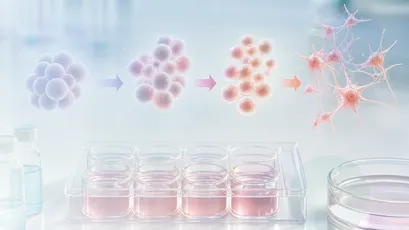
Embryos are often observed through Day 3 and, when appropriate, cultured to Day 5 or Day 6 to see whether they reach the blastocyst stage. Blastocyst formation is one important sign of developmental potential.
The number should always be interpreted in context. Maternal age, egg number, sperm quality, fertilization method, and prior history all influence how many embryos reach blastocyst. A lab cannot turn every embryo into a blastocyst, but stable lab practice can reduce avoidable loss.
Indicator 2: Freeze-Thaw Survival Rate
For many IVF cycles, embryos are frozen for later transfer, PGT, uterine preparation, or timing reasons. Freeze-thaw survival rate shows whether embryos remain usable after vitrification and warming.
This matters especially for cross-border care, PGT cycles, and families who may need more than one transfer attempt. Ask how the clinic reports survival and whether the figure refers to blastocysts, cleavage-stage embryos, or all frozen embryos combined.
Indicator 3: Embryologist Experience
Embryologists make many small decisions that patients never see: timing checks, culture media changes, ICSI handling, biopsy technique, grading consistency, and freezing preparation.
A stable team with clear standard operating procedures is often more meaningful than a single piece of equipment. The question is not whether the lab owns a device, but how consistently the team uses its systems.
Questions to Ask the Clinic
Ask:
- Do you use time-lapse culture, and in which cases?
- Do embryos grow in individual culture or group culture?
- What grading system do you use for Day 3 embryos and blastocysts?
- What is your freeze-thaw survival rate for blastocysts?
- How are embryo identity, biopsy samples, and reports checked?
These questions help you understand whether the lab can explain its process clearly.
Common Misunderstandings
Time-lapse systems do not automatically guarantee better embryos. They may provide more observation data, but embryo biology still matters.
Embryo grade is useful but not absolute. It should be read together with developmental day, PGT result when available, patient age, and transfer history.
The lab is not separate from the treatment plan. Stimulation strategy, sperm preparation, culture method, PGT decisions, freezing, and transfer timing all connect.